Breaking out of Viewports and Embedding Spaces
A few weeks ago I visited the Eames Archives in the East Bay, which recently re-opened after renovations. When my sabbatical started I had committed myself to regularly going places I had never been to. My goal was at least once a month, as a regular practice of breaking out of frame.
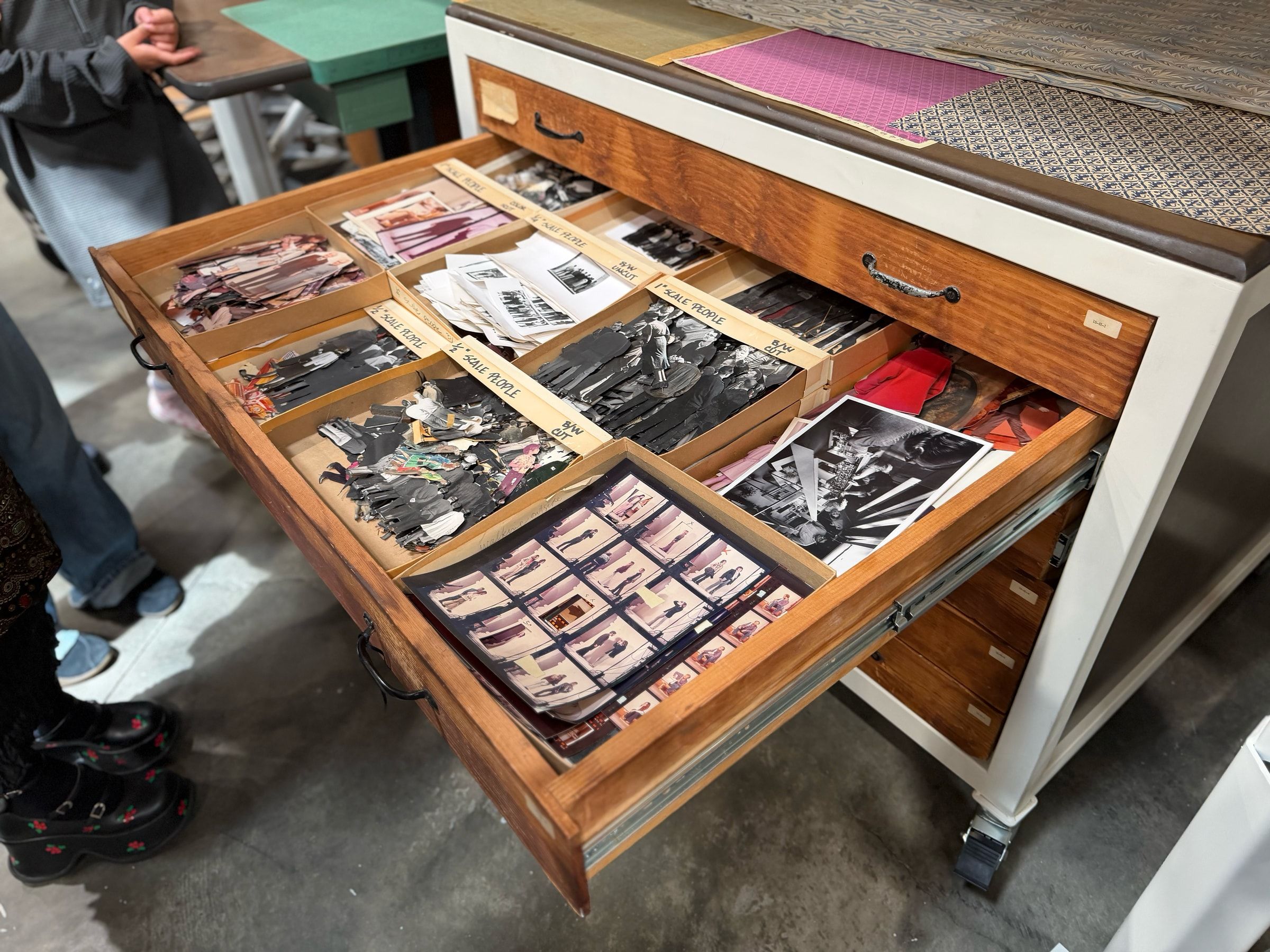
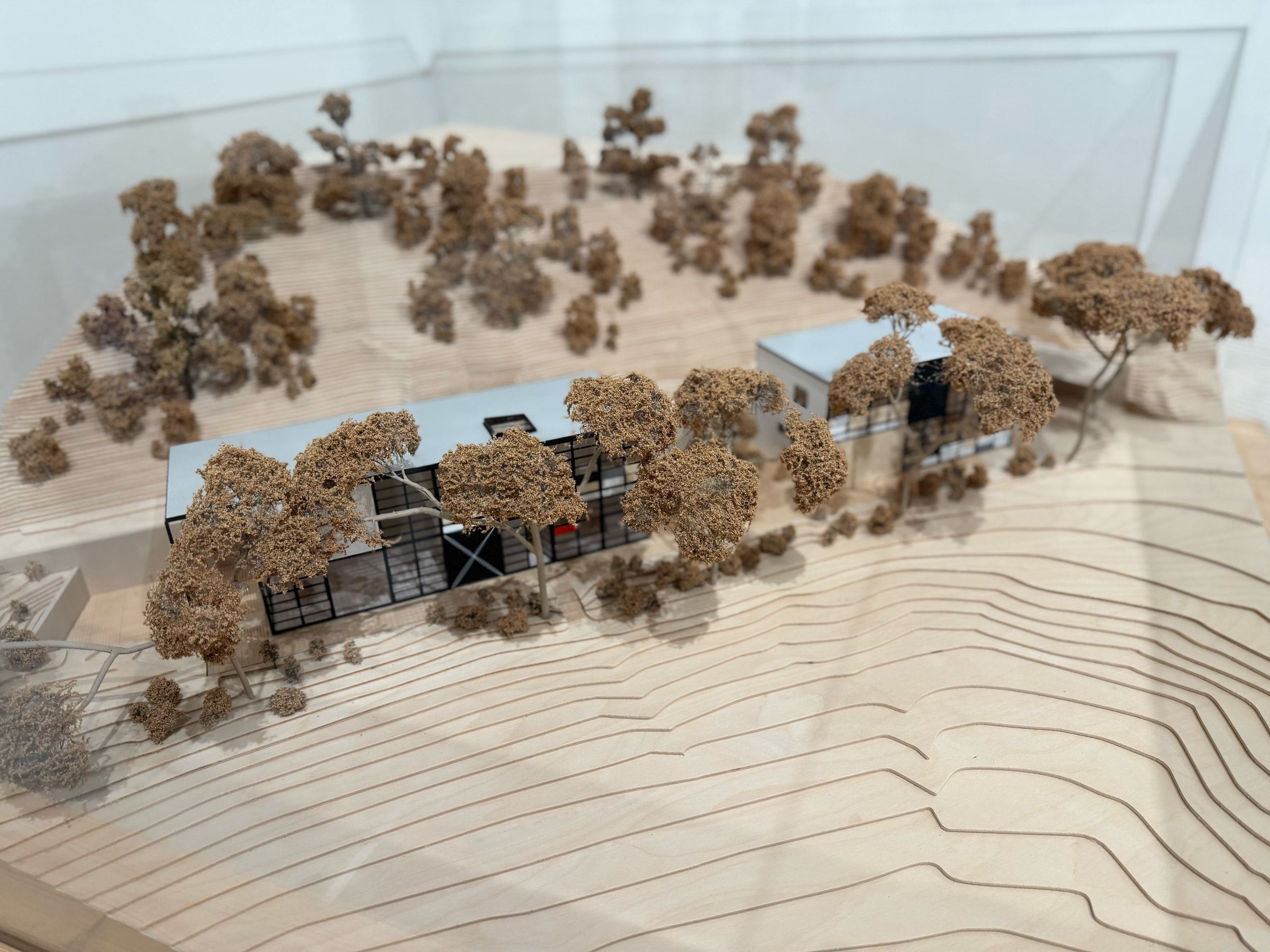
Frames have a funny way of fading into the background, and ceasing to be noticed until you step out of them. After moving to SF in 2013, I worked in tech basically continuously until … this past May. In that whole time, I was a technical product designer in machine learning adjacent companies, building tools for scientists and engineers. In essence, building for folks who value efficiency, accuracy, interpretability, verifiability, information density, etc.
Walking into the Eames Archives felt like stepping outside into a warm summer night. The, “I had been inside all day… didn’t realize how stuffy the office was!” kind of recognition.
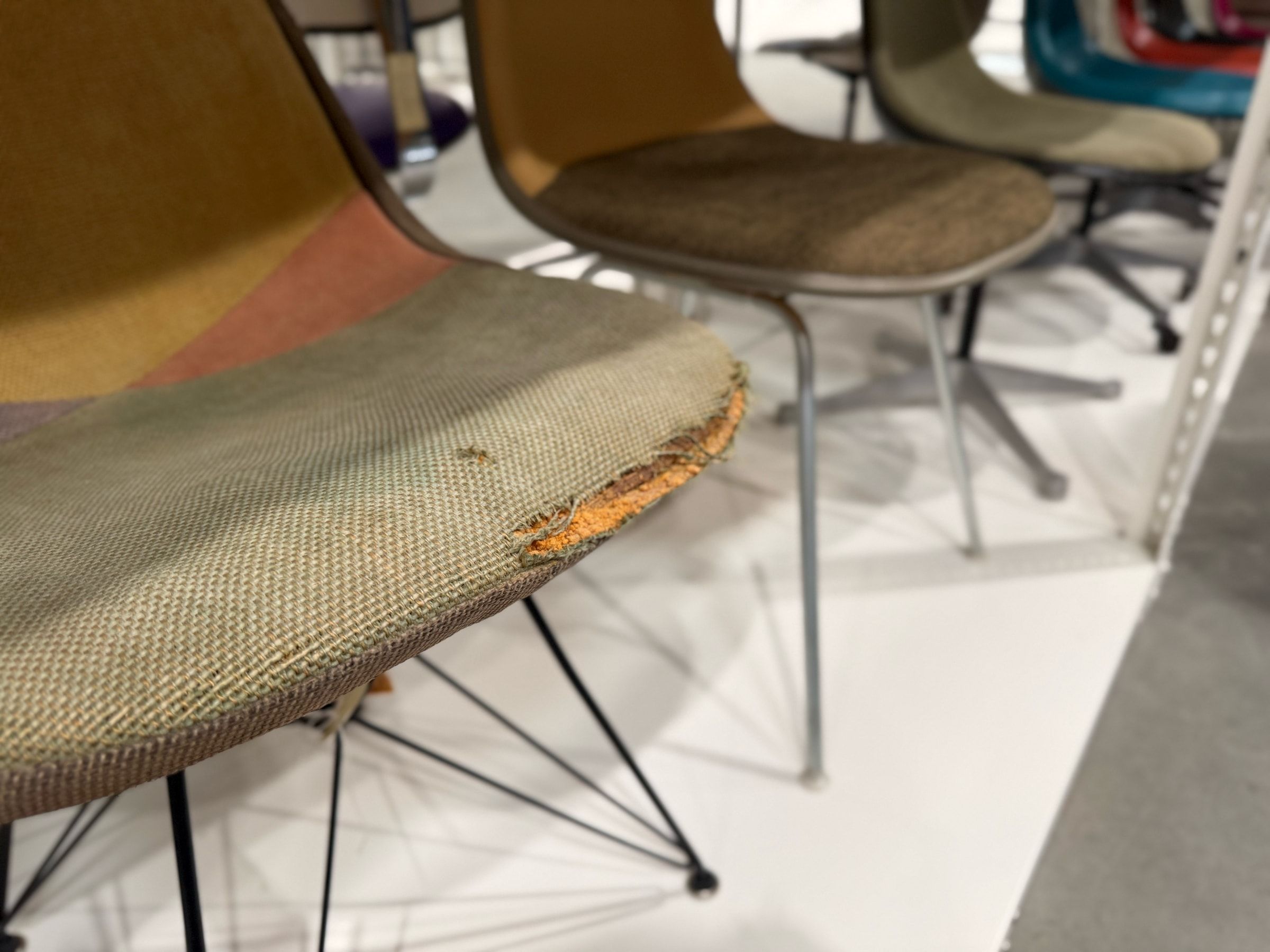
Making furniture is slow. The Eames archives are full of iterations and prototypes of chairs. Not rapid prototypes. A sequence of prototypes spanning years and incremental material/technique advancements. Frayed-from-use pieces collected from customers, embodying specific failure modes, sitting next to iterations correcting those errors. There’s nothing fast about it.
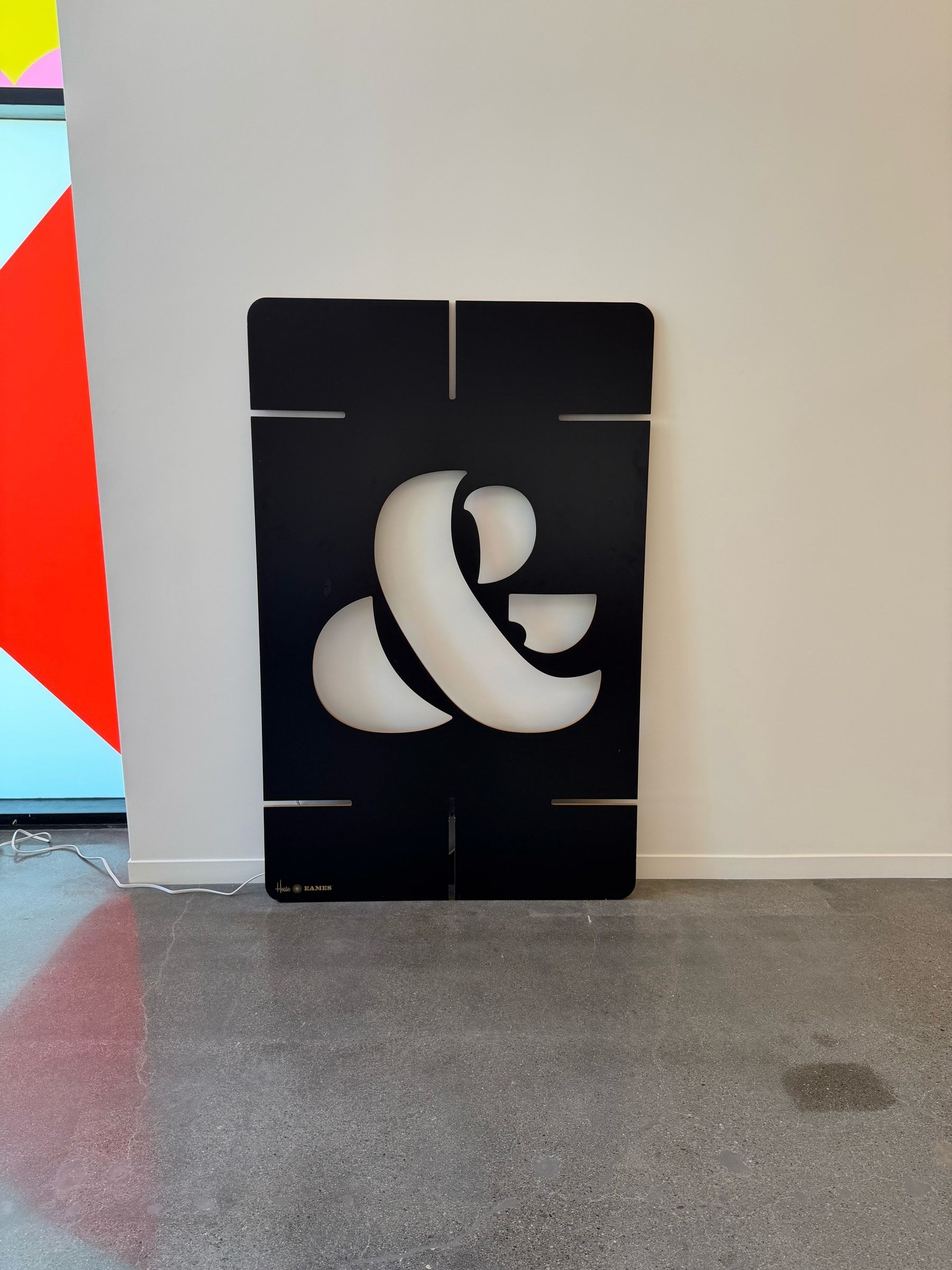
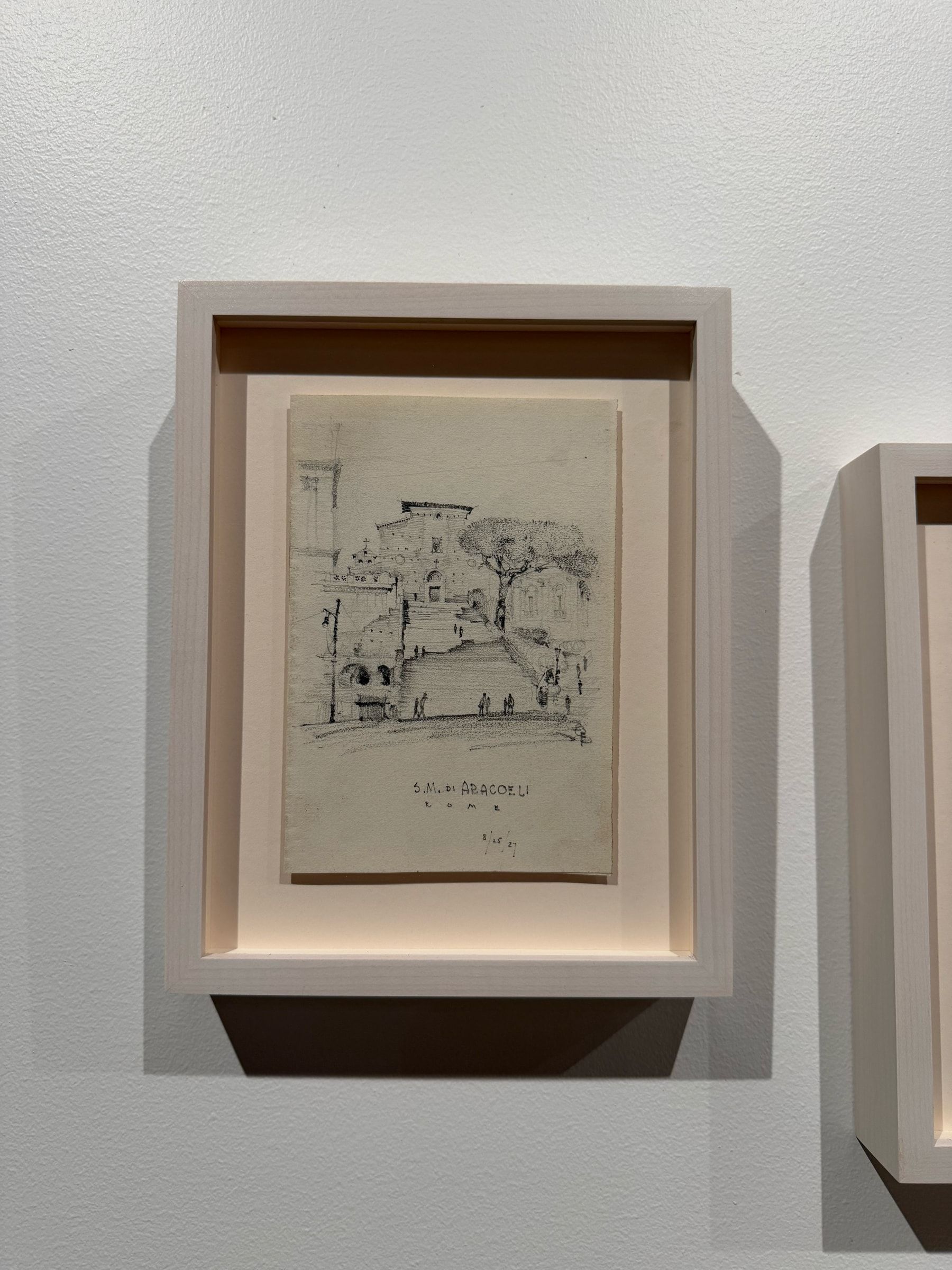
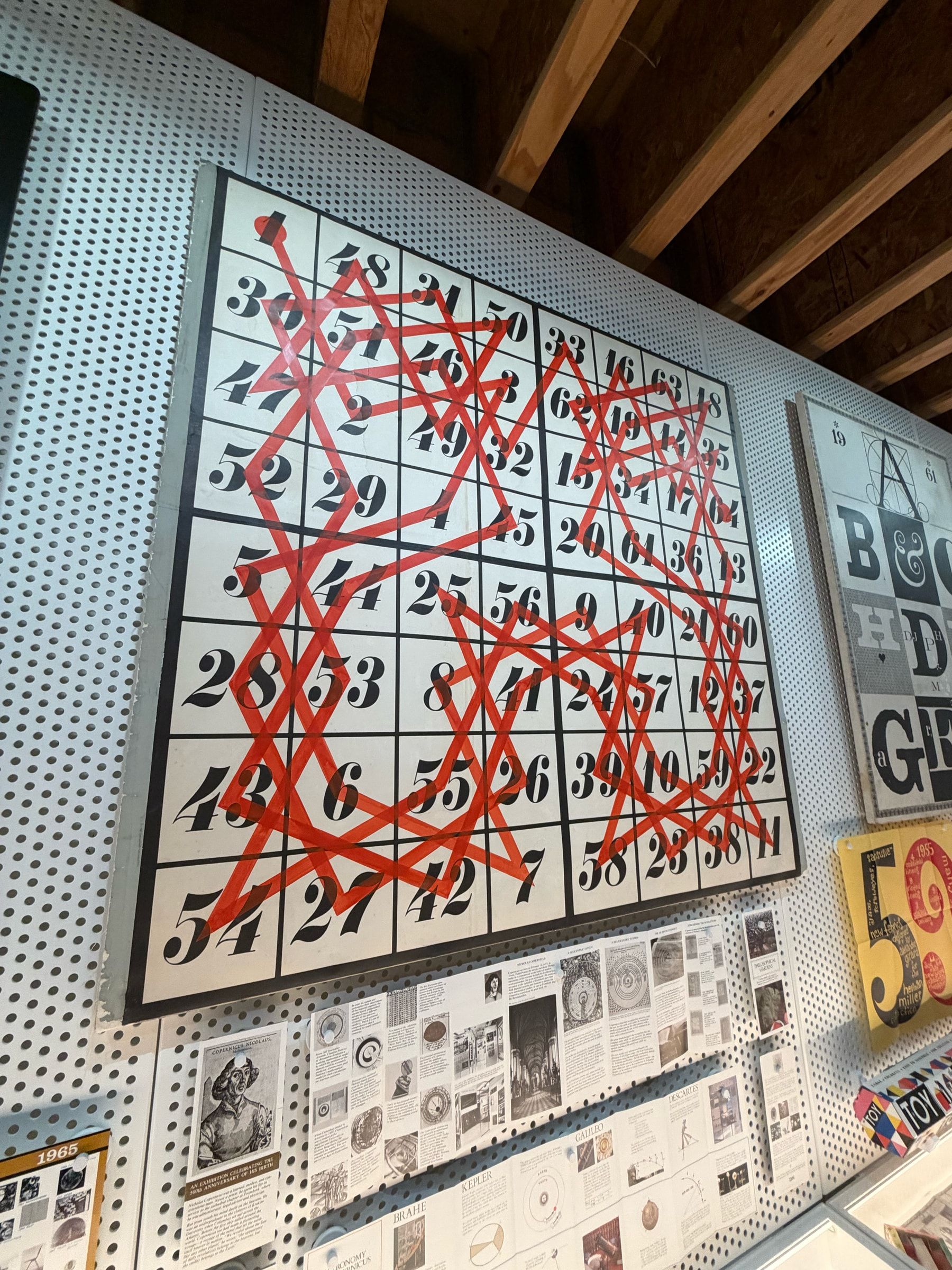
The archives are eclectic. There’s furniture, sure, and tools they developed to build furniture. But there’s also posters they designed for exhibits. There’s a gravity powered chime ladder that plays music while a ball bounces down a chute. There’s little sketches – architectural studies, but also sketches of the contents of their suit cases. Beautifully drawn, and apparently how Ray Eames organized for her travels. My favorite is this Magic Square poster, which is not just beautiful, but shows their curiousity outside of their “core discipline.”
The tour guides told a particular story about the world’s fair bench design that stuck with me. They designed benches for the world’s fair, and had them mounted on the wall, and with fun house mirrors next to them. Mounting on the wall meant no legs on the floor, which meant easier floor cleaning. Fun house mirrors next to the chair, because they anticipated that families would sit on the bench as they figure out how to navigate the fair, and children could be entertained by the mirrors while parents read the maps.
Design, but not as I know it
All this felt at once recognizably “User Centered Design”, yet completely alien to the viewports and charts and embeddings spaces I’ve been immersed in for the last decade. At the Eames Archives, design wasn’t “one leg” in a “three legged stool”. It wasn’t cleaning up prototypes after a “sprint”. There was no funnels, no click through rates, no analytics. There probably were numbers and spreadsheets, but they were not on view.
There were design choices made for humans. Another story that stuck with me: the Tandem Sling airport bench design, with seats and backs using the same fabric, cut and sewn in the same template to minimize parts and ease maintenance. They were designing for experiences of multiple stakeholders. I don’t think they would have used the word stakeholders.
It made me nostalgic for graduate school. Design seemed like a bigger word then.
In the weeks since, I’ve returned to my sabbatical project, and the familiar headspace of large language models and data visualizations. I’m still spending my time checking on agents on my phone, or trying to read papers and blogposts about mech-interp. Basically, back to the SF embedding space. And back to designing for engineers and technicians, for efficiency and comprehension.
But the awareness of the frame and the world beyond it lingers.
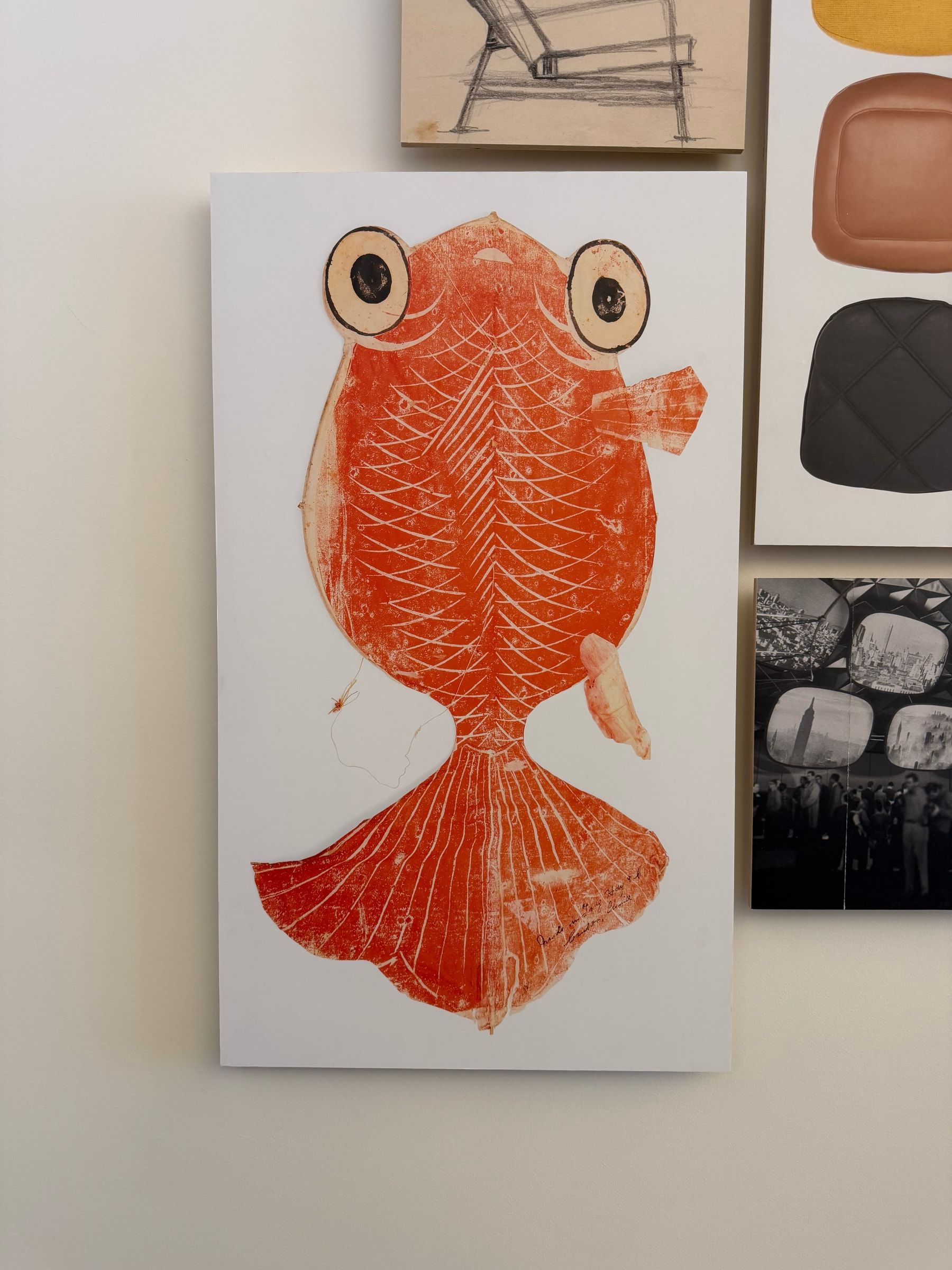
It was evident that the Eames lead whole, well-rounded, many-dimensioned lives. I wish to do the same. It is probably time to pick another museum to wandering around again. And maybe buy some posters to hang on the walls. It would be a start.